



First Impressions Start at the Curb
A home’s exterior sets the tone before anyone steps through the front door. Landscape designer Christopher Dardarian has often noted that curb appeal is less about grand gestures and more about consistency in small details. Trimmed hedges, a clean walkway, and a fresh coat of paint on the door frame can shift how a visitor or buyer perceives the entire property. These low-cost fixes compound quickly when done together rather than piecemeal.
Homeowners frequently underestimate how much a tidy entrance influences perceived value. A cracked path, overgrown shrubs, or a faded mailbox can undercut even a well-maintained interior. Addressing these visible flaws first creates a foundation of trust with anyone assessing the home, whether it’s a neighbor, appraiser, or potential buyer walking by on a weekend afternoon.
Lighting Changes the Way Spaces Feel
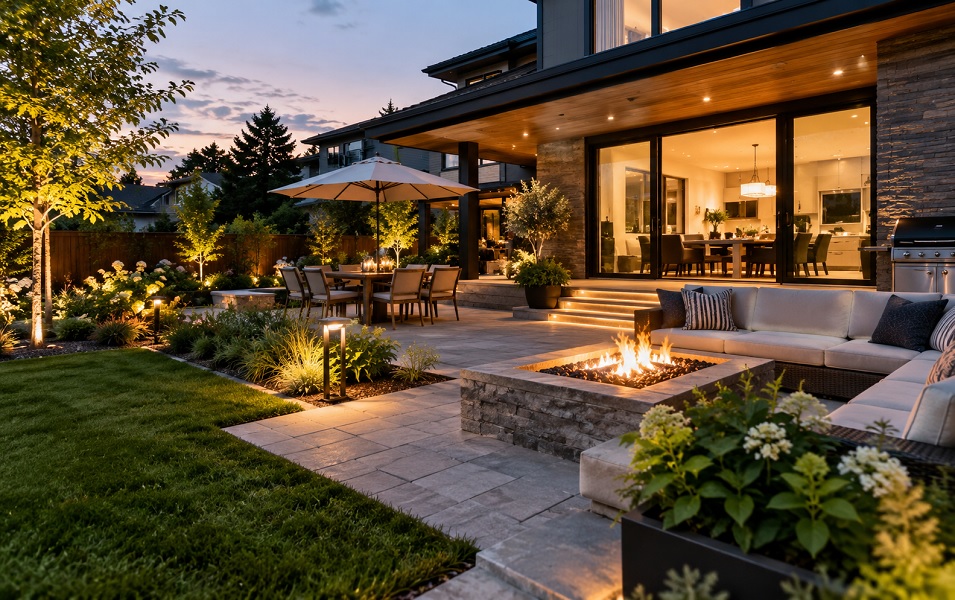
Outdoor lighting is one of the fastest ways to transform how a property reads after sunset. Soft path lights, uplighting on trees, and a well-placed porch fixture add warmth without requiring major electrical work. Solar-powered options have become reliable enough that homeowners can install them in an afternoon, avoiding the cost and hassle of hardwired systems while still achieving a polished look.
Beyond aesthetics, lighting improves safety by illuminating steps, uneven pavers, and driveway edges. A well-lit exterior also deters trespassers, since most opportunistic intruders avoid brightly visible areas. Choosing warm-toned bulbs over harsh white light keeps the space inviting rather than clinical, striking a balance between security and genuine curb appeal that guests notice immediately.
Plant Choices That Do More With Less
Selecting the right plants matters more than planting a large volume of greenery. Native species adapted to local rainfall and soil conditions require less water, fertilizer, and pest control than imported ornamentals. This reduces long-term maintenance costs while still delivering seasonal color, texture variation, and a sense of intentional design that generic landscaping often lacks.
Layering plant heights, from low ground cover to mid-size shrubs and taller accent trees, creates visual depth without needing a large budget. Grouping plants in odd numbers and repeating a few key species across the yard gives a cohesive, professionally arranged appearance. This approach avoids the cluttered look that comes from mixing too many unrelated plant varieties in a small space.
Hardscaping Adds Structure to the Yard
Patios, retaining walls, and defined pathways give an outdoor space clear purpose and organization. Even a small paver patio near the back door can turn an unused corner of the yard into a functional sitting area. Hardscaping also reduces erosion and drainage problems, particularly on sloped lots where soil tends to wash away during heavy rain.
Material choice affects both cost and longevity. Natural stone offers durability and a premium look but comes at a higher price than poured concrete or interlocking pavers. Homeowners on a budget can achieve a similar visual effect using concrete pavers finished with a stone-pattern stamp, which mimics the texture of cut stone at a fraction of the material cost.
Water Features Bring a Calming Element
A small fountain, birdbath, or recirculating pond introduces sound and movement that static landscaping cannot replicate. These features mask street noise and create a more peaceful atmosphere for anyone relaxing outdoors. Compact, pre-fabricated fountains are widely available and require minimal plumbing knowledge, making them accessible even for homeowners without construction experience.
Maintenance is a key consideration before installing any water feature. Algae growth, mosquito breeding, and pump failure are common issues if the feature isn’t cleaned regularly. Choosing a model with a built-in filtration system and positioning it away from heavy leaf litter reduces the upkeep burden significantly, keeping the feature attractive year-round rather than becoming a neglected eyesore.
Outdoor Living Spaces Extend Usable Square Footage
Adding a deck, pergola, or covered patio effectively expands the livable area of a home without the cost of a full addition. These structures create dedicated zones for dining, lounging, or entertaining, which appraisers and buyers increasingly value. Professionals such as Christopher Dardarian have highlighted how design-build approaches that integrate seating, shade, and lighting into one cohesive plan outperform piecemeal additions.
The success of an outdoor living space depends on matching its scale to the property. An oversized pergola on a small lot can feel overwhelming, while an undersized patio on a large property looks disconnected from the rest of the yard. Measuring the space carefully and consulting sightlines from the house’s main windows helps ensure the addition feels proportionate and intentional.
Fencing and Privacy Solutions Worth Considering
Privacy has become a priority for homeowners who want to enjoy their yard without feeling exposed to neighbors or passing traffic. Wood, vinyl, and composite fencing each offer different tradeoffs between cost, maintenance, and lifespan. Vertical slat designs and horizontal board styles have grown popular because they offer privacy while still looking modern rather than utilitarian.
Living privacy screens, such as tall grasses, bamboo, or trained vine trellises, provide a softer alternative to solid fencing. These options take longer to mature but blend more naturally into a garden setting and can be adjusted or replaced more easily than a fixed structure. Combining a partial fence with strategic planting often produces the best balance of privacy and visual interest.
Seasonal Maintenance Keeps Improvements Looking Fresh
Even well-designed outdoor spaces degrade without regular upkeep. Mulching beds twice a year, aerating lawns in spring and fall, and pruning shrubs before they overgrow their intended shape all prevent small issues from becoming costly repairs. Skipping these routine tasks is one of the most common reasons landscaping investments lose their initial appeal within just a couple of seasons.
Seasonal transitions also present opportunities to refresh the look of a property without major spending. Swapping annual flowers for the season, cleaning gutters before leaf fall, and repainting outdoor furniture are inexpensive tasks that maintain a polished appearance throughout the year. Homeowners who build these tasks into a recurring calendar avoid the scramble of last-minute preparation before a sale or event.
Sustainable Choices Improve Long-Term Value
Sustainability has moved from a niche preference to a mainstream expectation among buyers and renovators alike. Rain gardens, permeable pavers, and drought-tolerant landscaping reduce water runoff and lower long-term utility costs. Landscape designer Christopher Dardarian and similar professionals in the outdoor living space frequently emphasize that sustainable design doesn’t require sacrificing visual appeal, since many eco-conscious materials now come in refined, modern finishes.
Composting stations, rain barrels, and native pollinator gardens are practical additions that appeal to environmentally minded buyers without requiring major construction. These features often qualify for local rebate programs, which can offset installation costs. Highlighting these sustainable elements during a home sale can also serve as a differentiator in markets where buyers actively compare environmental efficiency between similar properties.
Budgeting Realistically for Outdoor Projects
Outdoor improvements can escalate quickly if planned without a clear budget ceiling. Breaking a project into phases, such as hardscaping first and planting later, allows homeowners to spread costs across multiple seasons rather than financing everything at once. Getting at least two or three quotes from contractors also reveals pricing variation that can save a meaningful percentage on labor-intensive work like retaining walls or patios.
DIY projects can reduce costs but carry risks if the homeowner lacks experience with grading, drainage, or structural elements. Simple tasks like planting, mulching, and painting are reasonable for most people to handle themselves. More technical work, including electrical lighting installation or foundation-level hardscaping, benefits from professional input to avoid costly mistakes that require rework later.
Choosing Improvements That Match Your Property’s Character
Not every outdoor trend suits every home. A minimalist modern build calls for clean lines and restrained plant palettes, while a traditional colonial-style house often pairs better with structured hedges and classic hardscaping materials. Matching improvements to the property’s existing architecture prevents the finished look from feeling mismatched or purely trend-driven rather than genuinely well-designed.
Personal use patterns should guide final decisions as much as aesthetics. A family that entertains frequently benefits more from a spacious patio and seating area, while a homeowner who prioritizes quiet relaxation might invest more in planting and water features. Prioritizing improvements based on actual lifestyle needs ensures the finished outdoor space stays functional and appealing well beyond the initial renovation phase.