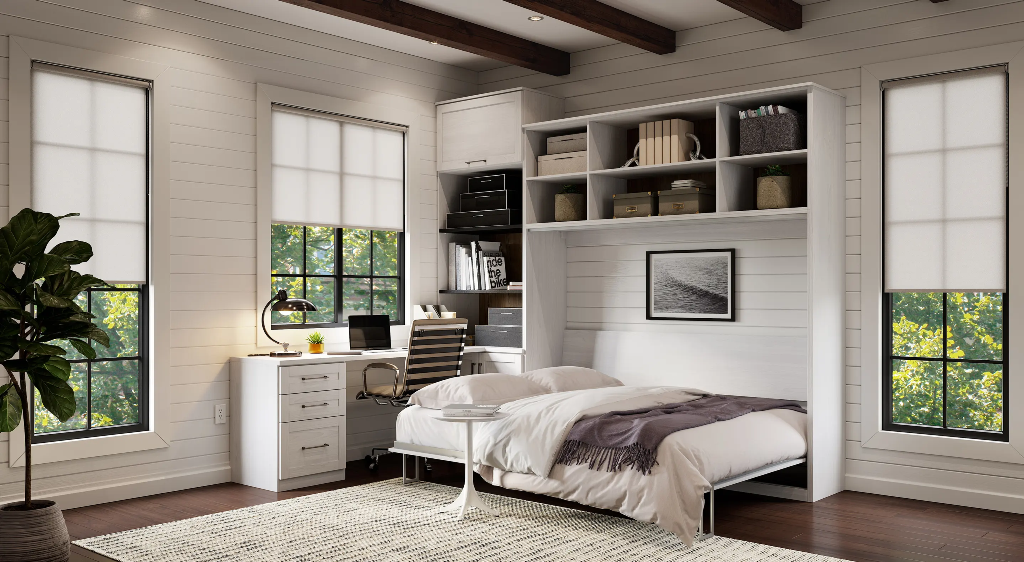






Home improvement projects can be a great way to make a property more comfortable, functional, and attractive. Painting a room, upgrading fixtures, or improving outdoor spaces may seem like straightforward ways to add value. However, not every DIY project produces the desired result. Poor workmanship, unsuitable materials, and overly personalized upgrades can sometimes make a home harder to sell.
For homeowners in Murfreesboro, understanding how renovations may affect future buyers is especially important. Before beginning a major project, speaking with a local Murfreesboro Realtor can provide useful insight into what buyers in the area tend to look for and which improvements may have broader appeal.
Here are seven common home improvement mistakes that can potentially hurt resale value.
1. Choosing Highly Personalized Design Features
One of the biggest DIY mistakes is designing a home around personal preferences rather than considering future buyers. Bold colors, unusual fixtures, highly customized rooms, or distinctive architectural features may work perfectly for the current homeowner but appeal to a much smaller group of potential buyers.
A buyer viewing a home may immediately begin calculating the cost of changing those features. If a property requires significant cosmetic work before a buyer feels comfortable moving in, it may attract fewer offers.
This does not mean homeowners should avoid personality altogether. Instead, consider keeping permanent features relatively versatile. Paint, furniture, artwork, and other easily changed elements can provide opportunities for personalization without making major alterations to the property.
2. Performing Electrical Work Without Professional Help
Electrical improvements can appear deceptively simple. Replacing a light fixture may be manageable for someone with appropriate knowledge, but more complicated wiring projects can create safety concerns if performed incorrectly.
Improper electrical work may result in inspection problems, additional repair costs, or concerns for potential buyers. In some cases, unpermitted modifications can create additional complications during a property transaction.
When a project involves new wiring, electrical panels, outlets, or other significant electrical modifications, using a properly qualified professional is generally a safer approach.
Homeowners should also keep records of professional work and permits when applicable. Documentation can provide useful information for future buyers and their inspectors.
3. Removing Walls Without Understanding the Structure
Open-concept living spaces remain popular, which can make removing a wall seem like an easy way to modernize a home. However, walls can serve structural, electrical, plumbing, or other important functions.
Removing a wall without determining its purpose can create expensive problems. A structural wall, for example, may require engineered support if it is removed or modified.
Even when a wall is not load-bearing, it may contain wiring, plumbing, ductwork, or other systems.
Before opening up a floor plan, homeowners should have the structure evaluated by an appropriate professional. A project that looks simple from the outside can involve considerably more planning than expected.
4. Installing Low-Quality Materials
Trying to save money by purchasing the cheapest materials can sometimes have the opposite effect. Flooring, countertops, cabinets, bathroom fixtures, and exterior materials that wear quickly may make a home appear less attractive during resale.
Buyers often pay attention to the condition and quality of visible improvements. Poor installation can be just as noticeable as poor materials.
The goal does not necessarily need to be using the most expensive products available. Instead, homeowners can focus on durable, appropriately priced materials that fit the style and expectations of the local market.
Before making a substantial purchase, consider durability, maintenance requirements, appearance, and compatibility with the rest of the home.
5. Converting Functional Rooms Into Niche Spaces
Another common mistake is sacrificing practical living space for a highly specialized room.
For example, converting a bedroom into a permanent hobby studio, oversized closet, or elaborate entertainment area may make sense for the current owner. However, future buyers may prefer to have the original bedroom or flexible living space.
Bedrooms are particularly important because the number of usable bedrooms can influence how buyers evaluate a property.
If a homeowner wants a hobby or entertainment area, consider designing the room so that it can easily return to its original function. Flexible spaces generally provide more options for future occupants.
6. Ignoring Curb Appeal
DIY projects often focus on kitchens and bathrooms because those areas receive considerable attention during home tours. However, the exterior of a property creates the first impression.
Neglecting landscaping, exterior paint, lighting, walkways, or general maintenance can make a home appear less appealing before buyers even enter.
Fortunately, improving curb appeal does not always require an expensive renovation. Cleaning exterior surfaces, maintaining landscaping, trimming overgrown plants, improving entry lighting, and keeping the front door in good condition can make a noticeable difference.
Homeowners should also avoid going too far in the opposite direction. Excessively elaborate landscaping or highly customized exterior features may require significant maintenance and could be less appealing to some buyers.
7. Skipping Professional Inspections and Permits
One of the most costly DIY mistakes is assuming that a project does not need professional oversight.
Certain renovations may require permits, inspections, licensed contractors, or compliance with local building requirements. Requirements vary depending on the project and location.
Skipping these steps can create complications when selling the property. A future buyer may ask whether renovations were completed properly and whether required approvals were obtained.
If you are planning a significant improvement, research applicable requirements before starting. Keep receipts, permits, warranties, contractor information, and other documentation related to major work.
Good records can help demonstrate how improvements were completed and provide useful information during a future transaction.
Think About Resale Value Before Starting
A home improvement project should ideally serve two purposes: improving the homeowner’s experience today and maintaining reasonable appeal for future buyers.
Before starting a renovation, ask whether the improvement solves a genuine problem, improves functionality, or enhances the home’s overall condition. Also consider whether the project can be reversed if a future buyer has different preferences.
For homeowners considering selling within the next few years, local market knowledge can be especially useful. A local Murfreesboro Realtor can provide perspective on buyer expectations, neighborhood characteristics, and features that may influence how a property is presented.
That perspective can help homeowners distinguish between improvements that primarily provide personal enjoyment and upgrades that may also support marketability.
Make Improvements With the Future in Mind
DIY projects can be rewarding, but enthusiasm should not replace planning. A renovation that looks impressive in a social media post may not necessarily provide practical value in a real estate transaction.
Before making significant changes, consider the property’s existing condition, neighborhood, likely buyer preferences, maintenance requirements, and potential resale implications.
Professional advice can also be worthwhile when a project involves structural changes, electrical systems, plumbing, roofing, major landscaping, or other specialized work.
Conclusion
Home improvements can enhance a property’s comfort and appearance, but poorly planned renovations can create challenges when it is time to sell. Overly personalized designs, unsafe electrical work, unnecessary wall removal, low-quality materials, niche room conversions, neglected curb appeal, and missing permits are seven mistakes homeowners should carefully consider.
The best improvement strategy balances personal enjoyment with practical functionality. For homeowners in Murfreesboro, discussing planned renovations with a local Murfreesboro Realtor can provide valuable insight into the local housing market and help identify improvements that are more likely to appeal to prospective buyers.
With careful planning, appropriate professional assistance, and an understanding of future resale considerations, homeowners can make improvements that benefit both their current lifestyle and the property’s long-term marketability.