




A clogged toilet is one of the most common household plumbing problems, and it often happens at the most inconvenient time. When faced with a blocked toilet, many homeowners wonder, will a toilet eventually unclog itself? The answer depends on what is causing the clog, how severe the blockage is, and whether enough water can gradually break down the obstruction.
In some situations, a toilet may clear on its own after a period of time. However, in many cases, waiting too long can lead to overflowing water, unpleasant odors, or damage to your plumbing system. Understanding why toilets clog and knowing when to act can save you time, money, and frustration.
Will a Toilet Eventually Unclog Itself?
The short answer is sometimes, but not always.
If the clog is caused by toilet paper or human waste, there is a chance that the materials will soften and dissolve in water over several hours. As they break down, the blockage may loosen enough for the toilet to flush normally.
However, if the clog is caused by non-flushable items such as wipes, paper towels, feminine hygiene products, toys, cotton swabs, or excessive amounts of toilet paper, the blockage is unlikely to disappear on its own. In these cases, waiting usually will not solve the problem and may even make it worse.
Common Causes of Toilet Clogs
Understanding what caused the blockage can help determine whether waiting is a reasonable option.
Excess Toilet Paper
Using too much toilet paper at one time is one of the most common causes of minor clogs. Fortunately, toilet paper is designed to break down in water, so these clogs sometimes clear naturally.
Human Waste
Occasionally, large amounts of waste can temporarily block the drain. Given enough time and water, the obstruction may soften and move through the plumbing system.
Flushable Wipes
Despite being marketed as “flushable,” many wipes do not break down quickly enough to pass safely through household plumbing. They frequently contribute to stubborn clogs.
Foreign Objects
Children’s toys, toothbrushes, cotton balls, dental floss, sanitary products, and similar objects cannot dissolve in water and almost always require manual removal or professional assistance.
Mineral Buildup
Older plumbing systems may develop mineral deposits that narrow the drainpipe. These restrictions make clogs more frequent and prevent waste from flowing efficiently.
How Long Does It Take for a Toilet to Unclog Itself?
If you’re asking, will a toilet eventually unclog itself, you may also wonder how long that process takes.
For simple paper-based clogs, waiting between 30 minutes and several hours may be enough. In some situations, allowing the toilet to sit overnight gives the materials additional time to soften.
However, if there is no improvement after several hours, the blockage probably requires active removal.
Avoid repeatedly flushing a clogged toilet during this waiting period, as doing so can cause the bowl to overflow and create a messy cleanup.
Signs the Clog May Clear Naturally
Certain symptoms suggest that the blockage is relatively minor.
These include:
- Water slowly drains from the bowl.
- Water level gradually returns to normal.
- The toilet is partially flushing.
- No unusual noises from nearby drains.
- The clog followed excessive toilet paper use.
These signs indicate that the obstruction may be dissolving.
Signs You Should Not Wait
Some situations require immediate action instead of waiting.
Seek a solution promptly if:
- The toilet repeatedly overflows.
- Water does not drain at all.
- Multiple drains in your home are backing up.
- There is sewage odor.
- You know a foreign object was flushed.
- The toilet gurgles when other fixtures are used.
These symptoms may indicate a larger plumbing problem beyond a simple toilet clog.
Safe Ways to Help Clear a Toilet
If waiting doesn’t solve the problem, several methods may help remove the clog safely.
Use a Plunger
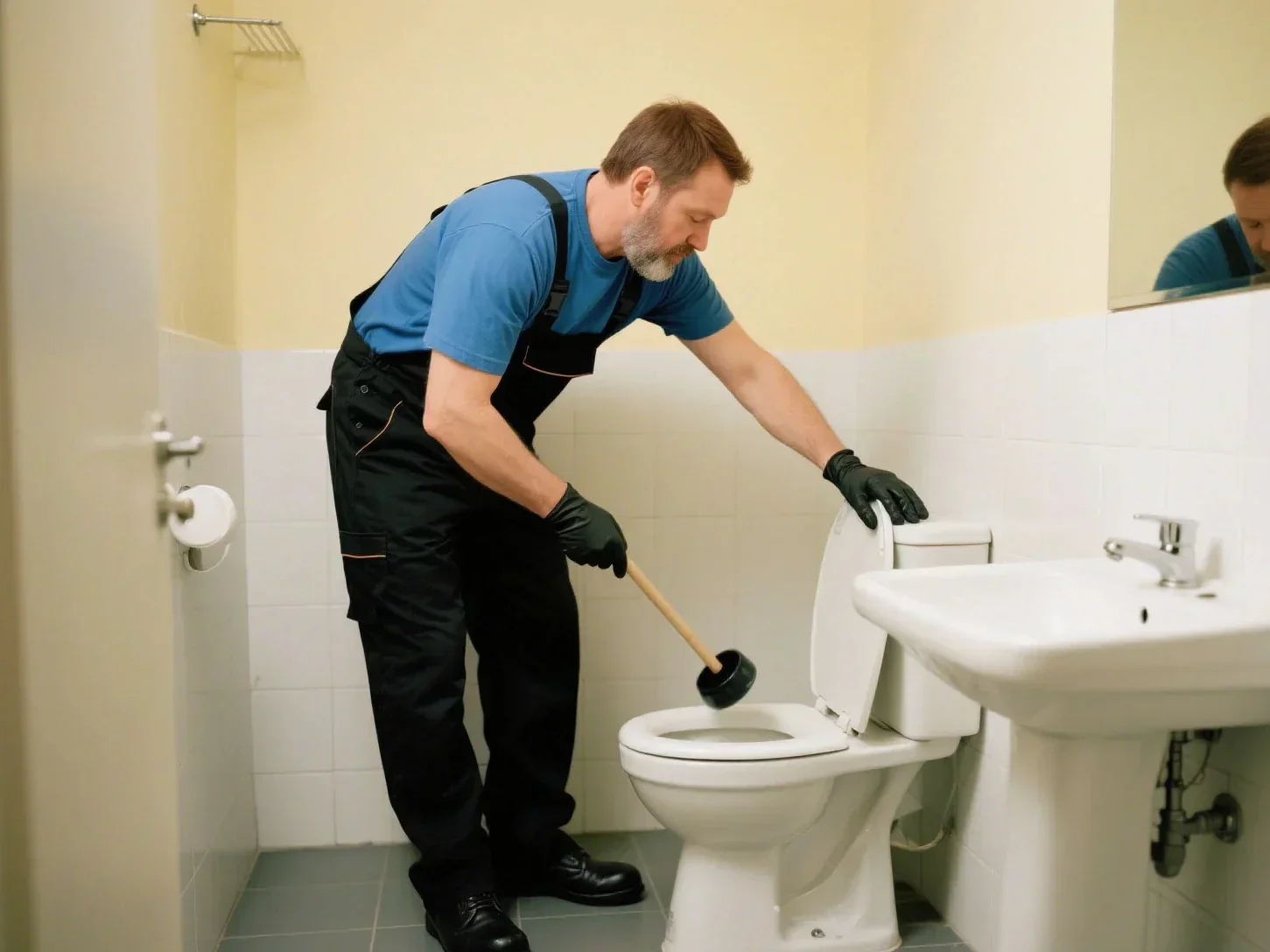
A flange plunger designed specifically for toilets is usually the first tool to try. Firm, steady plunging creates pressure that can dislodge many common blockages.
Add Hot Water
Pouring a bucket of hot—but not boiling—water into the bowl may help soften toilet paper and waste.
Boiling water should be avoided because sudden temperature changes can crack porcelain.
Dish Soap Method
Adding a generous amount of liquid dish soap followed by warm water can help lubricate the clog and encourage it to move through the drain.
Allow the mixture to sit for 20 to 30 minutes before attempting another flush.
Toilet Auger
A plumbing auger, also called a toilet snake, reaches deeper into the drain than a plunger and can remove more stubborn clogs without damaging the toilet.
What Not to Do
When trying to fix a clogged toilet, avoid these common mistakes:
Don’t Keep Flushing
Repeated flushing can cause overflowing water and damage flooring.
Don’t Use Harsh Chemicals
Chemical drain cleaners are often ineffective for toilets and may damage plumbing components while creating safety hazards.
Don’t Force Objects into the Drain
Using makeshift tools like coat hangers may scratch porcelain or push the clog farther into the plumbing system.
When to Call a Plumber
Sometimes professional assistance is the safest and most cost-effective solution.
Consider contacting a plumber if:
- The clog keeps returning.
- A plunger doesn’t work.
- The toilet overflows repeatedly.
- Multiple fixtures are backing up.
- Tree roots or sewer line problems are suspected.
- You hear unusual plumbing noises throughout the home.
Licensed plumbers have specialized equipment capable of identifying and removing deep blockages safely.
Preventing Future Toilet Clogs
Preventive maintenance reduces the likelihood of future plumbing problems.
Follow these simple tips:
- Flush only human waste and toilet paper.
- Avoid flushing wipes, even if labeled flushable.
- Teach children not to flush toys or household objects.
- Use reasonable amounts of toilet paper.
- Schedule plumbing inspections if clogs become frequent.
- Address slow drains before they worsen.
Good plumbing habits can significantly extend the life of your drainage system.
Frequently Asked Questions
Can a toilet unclog overnight?
Yes. Minor clogs caused by toilet paper or waste sometimes dissolve overnight. However, blockages involving foreign objects usually require intervention.
Is it okay to leave a clogged toilet overnight?
If the water level is not rising and there is no risk of overflow, waiting overnight may be reasonable for a minor clog. Avoid flushing repeatedly during this time.
Why does water slowly disappear from a clogged toilet?
Water may gradually seep through small openings in the blockage while the clog remains partially intact.
Should I use chemical drain cleaners?
Most plumbers discourage chemical cleaners for toilets because they rarely solve serious clogs and may damage plumbing components.
Conclusion
So, will a toilet eventually unclog itself? The answer depends on the cause of the blockage. Minor clogs made up of toilet paper or human waste may soften and clear naturally after several hours or overnight. However, more serious clogs involving wipes, foreign objects, or sewer line issues are unlikely to resolve without intervention.
If waiting doesn’t improve the situation, using a plunger, warm water, or a toilet auger can often restore normal function. For persistent or recurring problems, contacting a qualified plumber is the best way to prevent further damage and ensure your plumbing system continues operating efficiently. Acting promptly can save you from expensive repairs and the inconvenience of a major plumbing emergency.