



Noise control has become an essential aspect of modern interior design, especially in today’s fast-paced and densely built environments. From commercial offices and educational institutions to homes and hospitality spaces, managing sound effectively is crucial for comfort, productivity, and overall well-being. Acoustic ceiling panel for noise control solutions offer an efficient and aesthetically pleasing way to reduce noise levels, improve sound clarity, and create more functional indoor environments.
As architecture increasingly incorporates open layouts, glass walls, and high ceilings, sound reflection and reverberation can become significant issues. Acoustic ceiling panel address these challenges by absorbing sound waves and minimising echo, making them a popular choice across various industries.
What Are Acoustic Ceiling Panels?
Acoustic ceiling panels are specialised sound-absorbing panels installed on ceilings to control noise and enhance acoustics within a space. Unlike basic ceiling tiles, these panels are designed with materials that reduce sound reflections, echoes, and ambient noise. They are commonly made from mineral fibre, fibreglass, foam, wood, or polyester materials that effectively absorb sound energy.
These panels are not only functional but also versatile in design. They come in a variety of shapes, colours, and textures, allowing them to blend seamlessly into different interior styles while delivering excellent acoustic performance.
How Acoustic Ceiling Panels Help with Noise Control
One of the primary functions of acoustic ceiling panels is to manage sound within a room. Hard surfaces such as concrete, glass, and tiles reflect sound waves, causing noise to bounce around the space. This leads to poor sound clarity and increased background noise.
Acoustic ceiling panels work by absorbing sound waves before they can reflect back into the room. This process reduces reverberation and creates a more balanced acoustic environment. As a result, conversations become clearer, distractions decrease, and overall comfort improves.
Additionally, acoustic ceiling panels help in controlling airborne noise and reducing sound transmission between floors, making them particularly useful in multi-storey buildings and shared spaces.
Benefits of Acoustic Ceiling Panels for Noise Control
Improved Sound Quality
One of the most significant advantages of acoustic ceiling panels is enhanced sound quality. By reducing echo and reverberation, these panels ensure clearer communication in offices, classrooms, and conference rooms. This is especially important in environments where speech intelligibility is essential.
Enhanced Productivity
Excessive noise can negatively impact concentration and efficiency. In workplaces, acoustic ceiling panels help create a quieter atmosphere, allowing employees to focus better and perform tasks more effectively. Reduced noise distractions contribute to higher productivity and improved employee satisfaction.
Aesthetic Appeal
Modern acoustic ceiling panels are designed to complement interior décor. They are available in sleek, minimalistic designs as well as decorative options that add visual interest to ceilings. This makes them suitable for both functional and design-focused spaces.
Versatility Across Applications
Acoustic ceiling panels can be used in a wide range of settings, including offices, schools, hospitals, auditoriums, restaurants, and residential homes. Their adaptability makes them a reliable noise control solution for various environments.
Better Privacy
In offices and shared spaces, privacy is often a concern. Acoustic ceiling panels help reduce sound travel, ensuring confidential conversations remain private and background noise is minimised.
Energy Efficiency
Some acoustic ceiling panels also offer thermal insulation benefits. By improving insulation, they can contribute to better temperature control and energy efficiency within buildings.
Types of Acoustic Ceiling Panels
Mineral Fibre Panels
Mineral fibre panels are widely used in commercial spaces due to their excellent sound absorption and affordability. They are commonly installed in suspended ceiling systems and provide reliable acoustic performance.
Fibreglass Ceiling Panels
Fibreglass panels offer high sound absorption and are ideal for environments requiring superior acoustic control, such as studios and theatres. They are lightweight and durable, making installation easier.
Wooden Acoustic Ceiling Panels
Wooden panels combine aesthetic elegance with functional sound absorption. They are often used in luxury interiors, auditoriums, and high-end commercial spaces where design and acoustics are equally important.
Foam Ceiling Panels
Foam acoustic panels are commonly used in recording studios and media rooms. They effectively reduce echo and are available in various patterns designed to enhance sound diffusion and absorption.
Polyester Fibre Panels
Eco-friendly and lightweight, polyester fibre panels are increasingly popular in modern interiors. They are durable, non-toxic, and available in creative designs that enhance both acoustics and visual appeal.
Applications of Acoustic Ceiling Panels
Offices and Corporate Spaces
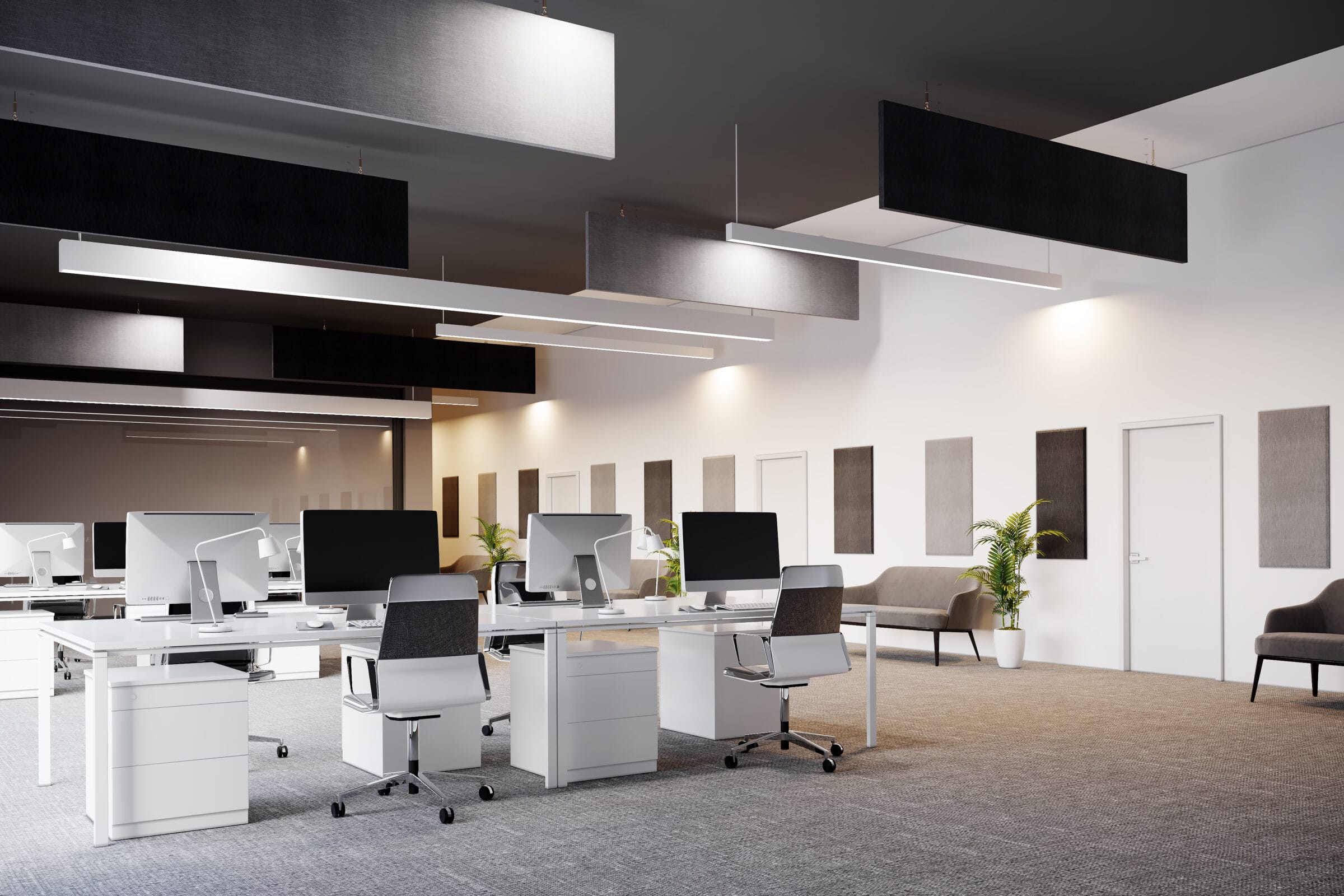
Open-plan offices often suffer from high noise levels due to conversations, phone calls, and equipment sounds. Acoustic ceiling panels help reduce ambient noise and create a more focused working environment.
Educational Institutions
Classrooms, lecture halls, and libraries benefit greatly from improved acoustics. Acoustic ceiling panels enhance speech clarity, ensuring students can hear instructors clearly without distractions.
Healthcare Facilities
Hospitals and clinics require quiet and calm environments for patient comfort and recovery. Acoustic ceiling panels help minimise noise levels, creating a more peaceful atmosphere.
Hospitality and Retail Spaces
Restaurants, cafes, and shopping centres often experience high noise levels due to crowds and open layouts. Installing acoustic ceiling panels helps maintain a pleasant acoustic environment for customers.
Residential Spaces
Homeowners are increasingly adopting acoustic ceiling panels in living rooms, home theatres, and bedrooms to reduce noise and enhance comfort. This is particularly beneficial in apartments and multi-family housing.
Entertainment and Performance Venues
Theatres, auditoriums, and music studios require precise sound control. Acoustic ceiling panels play a crucial role in delivering high-quality sound experiences by reducing unwanted reflections.
Key Factors to Consider When Choosing Acoustic Ceiling Panels
Sound Absorption Rating
The Noise Reduction Coefficient (NRC) rating indicates how effectively a panel absorbs sound. Higher NRC ratings provide better noise control and improved acoustic performance.
Material and Durability
Choosing the right material ensures long-term performance and minimal maintenance. Durable materials like fibreglass and polyester are ideal for high-traffic environments.
Design and Aesthetics
Acoustic ceiling panels should complement the interior design of the space. Modern panels are available in various styles, allowing for seamless integration into different décor themes.
Installation Method
Panels can be installed in suspended ceilings, directly mounted, or used as ceiling baffles and clouds. The installation method should align with the architectural structure and acoustic requirements of the space.
Maintenance and Cleaning
Low-maintenance panels are ideal for commercial and public spaces. Many modern acoustic ceiling panels are designed to resist dust and moisture, ensuring long-lasting performance.
Acoustic Ceiling Panel Installation and Placement
Proper installation is essential for achieving optimal noise control. Strategic placement ensures maximum sound absorption and balanced acoustics. In large spaces, ceiling clouds and baffles can be used to target specific noise areas, while full ceiling coverage is ideal for high-noise environments.
Professional acoustic assessment is often recommended for commercial and specialised spaces to determine the best panel placement and material selection. Correct installation enhances performance and ensures long-term effectiveness.
Future Trends in Acoustic Ceiling Solutions
The demand for acoustic ceiling panels continues to grow as businesses and homeowners prioritise comfort and functionality. Some emerging trends include sustainable acoustic materials, custom-designed ceiling panels, and smart acoustic solutions integrated with modern building technologies.
Eco-friendly panels made from recycled materials are gaining popularity due to increased awareness of environmental sustainability. Additionally, decorative acoustic ceilings are becoming a key design feature in modern architecture, blending sound control with artistic expression.
Conclusion
Acoustic ceiling panels for noise control solutions are an essential investment for creating comfortable, productive, and acoustically balanced environments. By reducing echo, controlling noise levels, and enhancing sound clarity, these panels significantly improve the quality of indoor spaces across various industries.
Whether used in offices, schools, healthcare facilities, or residential settings, acoustic ceiling panels offer a practical and stylish approach to noise management. With advancements in design, materials, and installation techniques, they continue to evolve as a vital component of modern interior architecture. Investing in high-quality acoustic ceiling panels not only improves acoustic performance but also enhances the overall experience of any space, making it more functional, aesthetically pleasing, and conducive to well-being.